Empowering Aging Adults to Adopt Regular Exercise Through Evidence-Based Exercise Guidelines
Wiki Article
Staying physically engaged is important for individuals of all ages, but it grows especially significant as people mature. For older adults, consistent exercise assists in sustaining independence, improves movement, and boosts overall well-being. Comprehensive training frameworks offer older adults with structured methods to fitness that address stability, mobility, strength, and endurance. By implementing professionally developed exercise routines, elders can elevate their well-being while reducing the risks of accidents, chronic diseases, and emotional difficulties.
Exercise for seniors is not restricted to strenuous routines or intense exercise regimens. It centers instead on safe, steady, and sustainable movement that fits individual capacities. Activities such as walking, flexibility drills, yoga, and strength conditioning assist preserving range of motion and firmness. Aerobic workouts like swimming or indoor biking boost cardiovascular function, which are vital for supporting daily energy and performance. These physical practices also support cognitive wellness, as studies have demonstrated that consistent activity can enhance recall, mood, and mental performance.
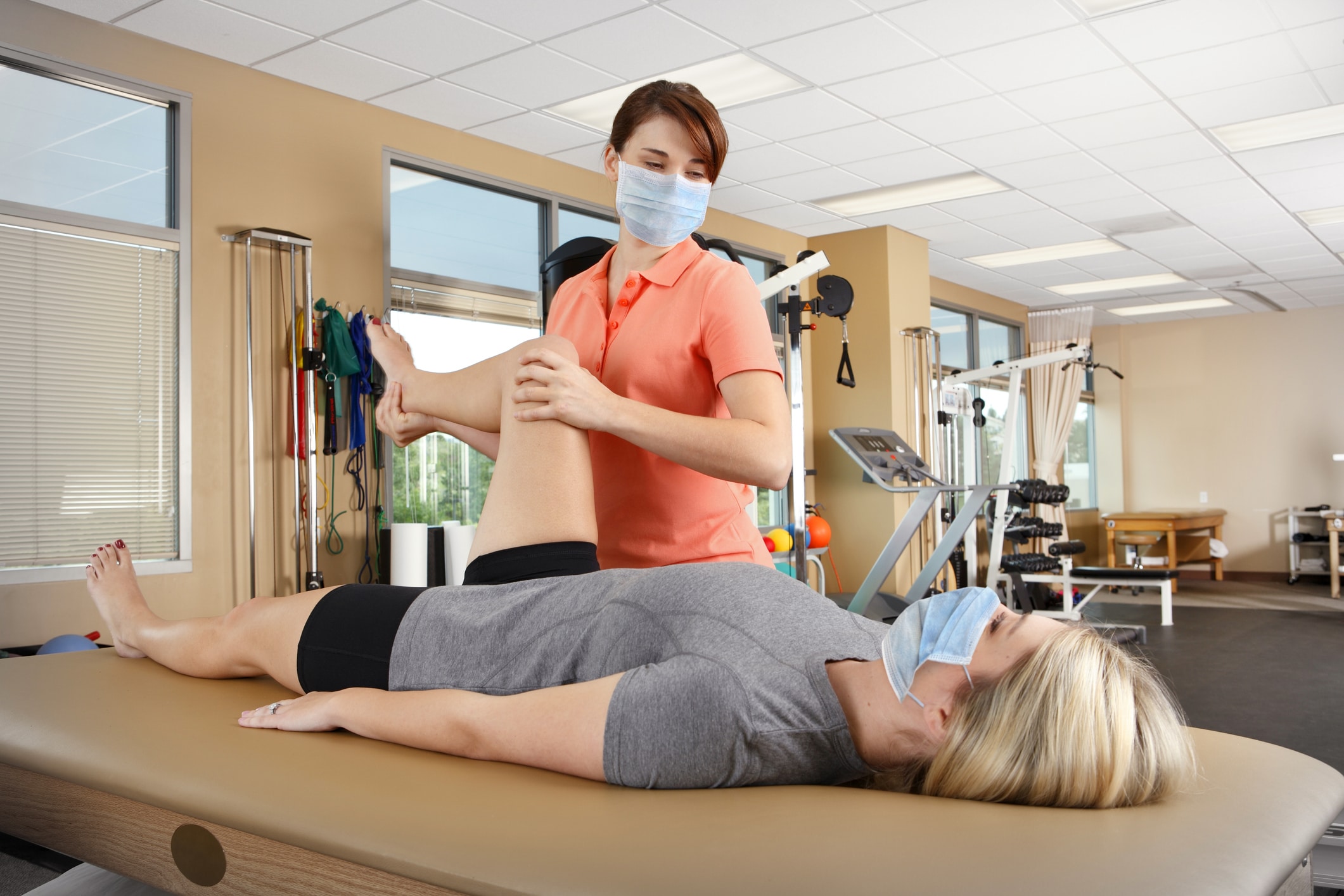
Thorough training plans emphasize a well-rounded strategy to wellness, covering muscular, mental, and community aspects of lifestyle. Older adults are advised to link ease in and progress at a manageable speed, guaranteeing safety while preventing overexertion. Including mobility sessions minimizes strain, while appropriate hydration and diet support exercise routines. Additionally, social exercise settings—such as group fitness classes or fitness meetups—create opportunities for social interaction, engagement, and emotional support, which are just as vital to total wellness.
Expert assistance plays a key function in helping aging individuals build personalized fitness programs. Seeking advice from medical professionals, physical therapists, or qualified instructors ensures that programs are adapted to specific health conditions, physical capabilities, and targets. These experts can suggest safe exercise formats that consider factors such as arthritis, bone fragility, or heart health concerns. Through regular monitoring and revision, exercise plans continue to be productive and rewarding, supporting long-term participation and achievement.
Overall, motivating older adults to embrace fitness through comprehensive training recommendations fosters a community of active aging. When older adults are provided with knowledge, inspiration, and organized systems, they gain confidence in their physical abilities and enjoy greater autonomy. Sustained fitness boosts not only body informative post health but also cognitive health and well-being. By supporting inclusive, professionally structured fitness programs, communities can help that each older adult has the chance to live a healthy, active, and fulfilling life.